

Multiseal Crystalline Technology
Multiseal Crystalline Technology for
Durable and Resilient Concrete Infrastructure
Multiseal Technology is an advanced SHIELD innovation that integrates Adaptive Crystalline Technology with hydrophobic protection to enhance waterproofing, durability, and self-healing in concrete infrastructure. Engineered for demanding service environments, Multiseal addresses all three primary water transport mechanisms within concrete — permeability, capillary absorption, and diffusion.
Its protective performance results from the combined action of hydrophobic, icephobic, and permeability-resistant mechanisms, together with the progressive formation of SHIELD crystals within pores and capillaries and proprietary ThermoHydric regulators operating in parallel as an independent internal stabilization mechanism. These regulators support stable hydration evolution while moderating internal hygrothermal transitions within the concrete matrix. Through this integrated system, Multiseal stabilizes internal matrix equilibrium under varying climatic and exposure conditions, limits crack initiation, restricts permeability pathways, and enables the self-healing of microcracks formed during service.
Multiseal is engineered for above and below-ground concrete structures requiring resilient, watertight, and sustainable long-term performance. It provides permanent waterproofing and durable resistance against chemical attack, freeze–thaw cycles, chloride penetration, carbonation, alkali–silica reaction (ASR), and temperature-related stresses. This makes it particularly effective in extreme climates, coastal regions, and infrastructure subjected to repeated wet–dry exposure, including roads, flyovers, bridges, and other critical concrete structures.
Infrastructure Durability Protection with Global Validation
Products powered by Multiseal Crystalline Technology have been independently validated worldwide under internationally recognized standards through certified laboratories, project-based assessments, and research institutions. These validations confirm significant reduction in water penetration and capillary absorption, very low chloride migration, improved freeze–thaw resistance, complete protection against accelerated carbonation, verified chemical resistance, and sustained self-healing performance across varied curing and exposure conditions.
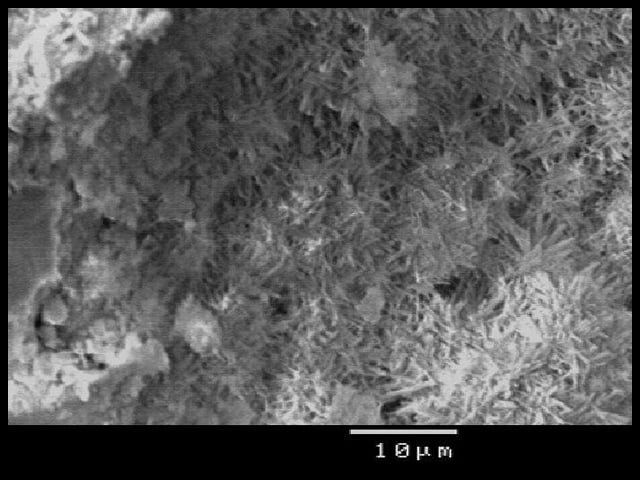
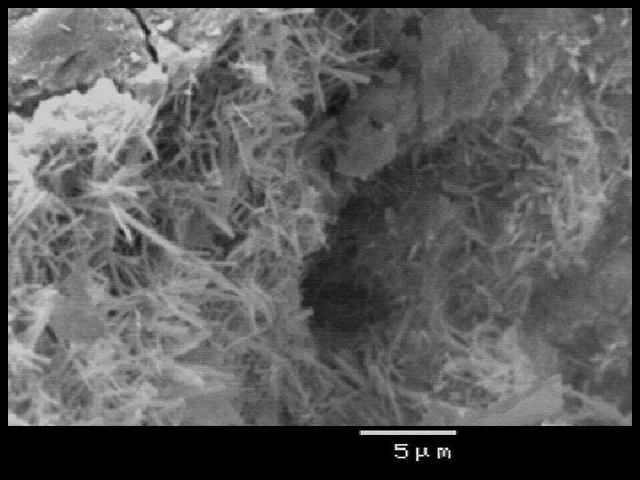
Multiseal Crystalline Technology products have demonstrated durability performance under severe exposure classifications including XC4 (carbonation), XF4 (freeze–thaw with de-icing salts), and XD3 (chloride exposure) within recognized international infrastructure durability frameworks. SEM analysis confirms refined crystalline development within pores and microcracks in concrete with Adaptive Crystalline admixtures. The observed microstructural densification contributes to reduced permeability, enhanced durability, and verified self-healing of cracks under moisture exposure.

Self-Healing Performance Validation
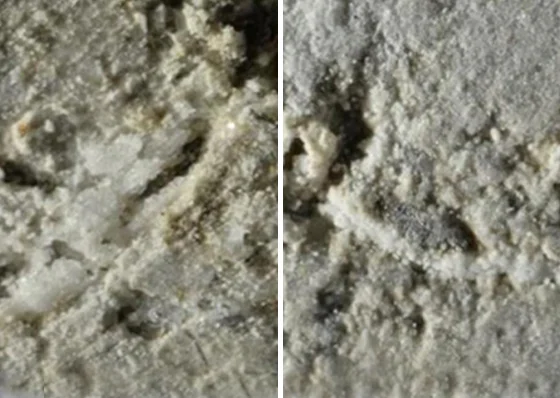
A long-term experimental study conducted by the Politecnico di Torino confirmed the self-healing capability and durability enhancement achieved with Multiseal in concrete structures. Using ultrasonic pulse velocity (UPV) measurements, the research reported consistently high healing indices in both preventive and post-cracking applications, demonstrating effective recovery of structural continuity after crack formation.
The investigation was performed under multiple curing conditions, including air-cured and moisture-exposed environments, to reflect realistic service scenarios. Additional testing verified significant reduction in water ingress, improved freeze–thaw resistance, and progressive refinement of the concrete microstructure. These findings confirm that Multiseal supports sustained self-healing performance and long-term durability in both new and existing concrete exposed to cyclic wet–dry conditions, humidity fluctuations, and demanding infrastructure environments.
Multiseal Functional Mechanism – Surface Treatment
Integrated Durability Enhancement For New and Existing Concrete
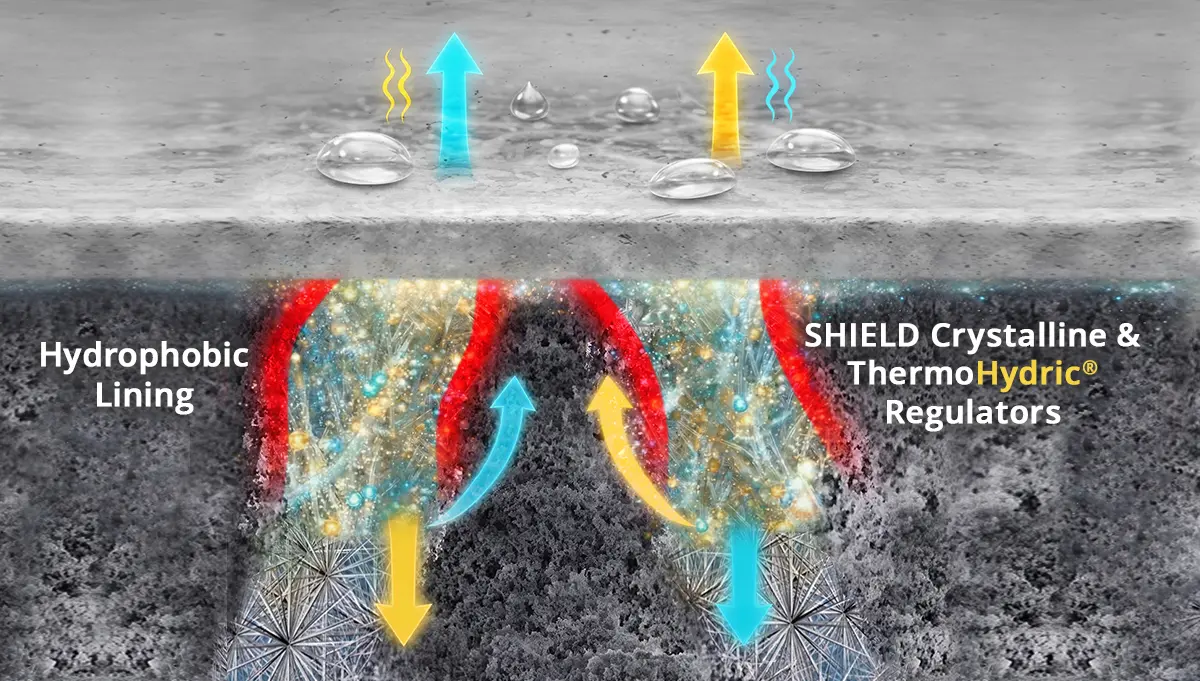
When applied to concrete surfaces, Multiseal, a low-viscosity compound, penetrates the pore structure and initiates simultaneous chemical interactions within the concrete matrix. As evaporation progresses, the active components concentrate and form a protective hydrophobic repellent layer both on the surface and within the penetrated depth of the concrete. At the same time, the system activates the formation of hydrated SHIELD Crystals within pores and capillaries. Alongside this, independent ThermoHydric® Regulators are activated and begin managing hygrothermal stability within the concrete matrix, which also assists in enhancing SHIELD Crystal growth deeper into the concrete matrix. Together, these mechanisms reduce liquid water ingress, limit permeability pathways, and stabilize internal conditions under varying environmental exposure. The result is sustained hygrothermal stability, enhanced waterproofing performance, self-healing of microcracks, and long-term durability of the concrete structure.
Application
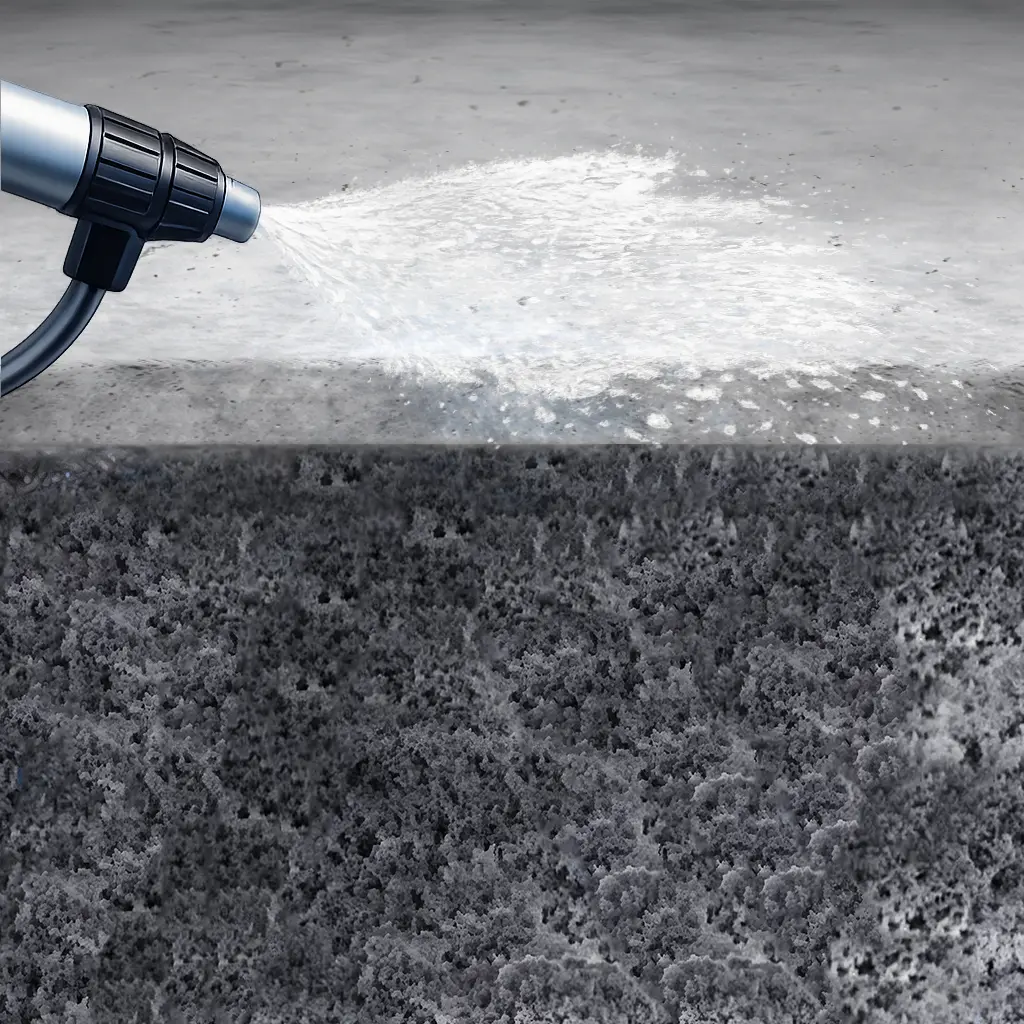
Deep capillary penetration beyond the surface zone.

Lining
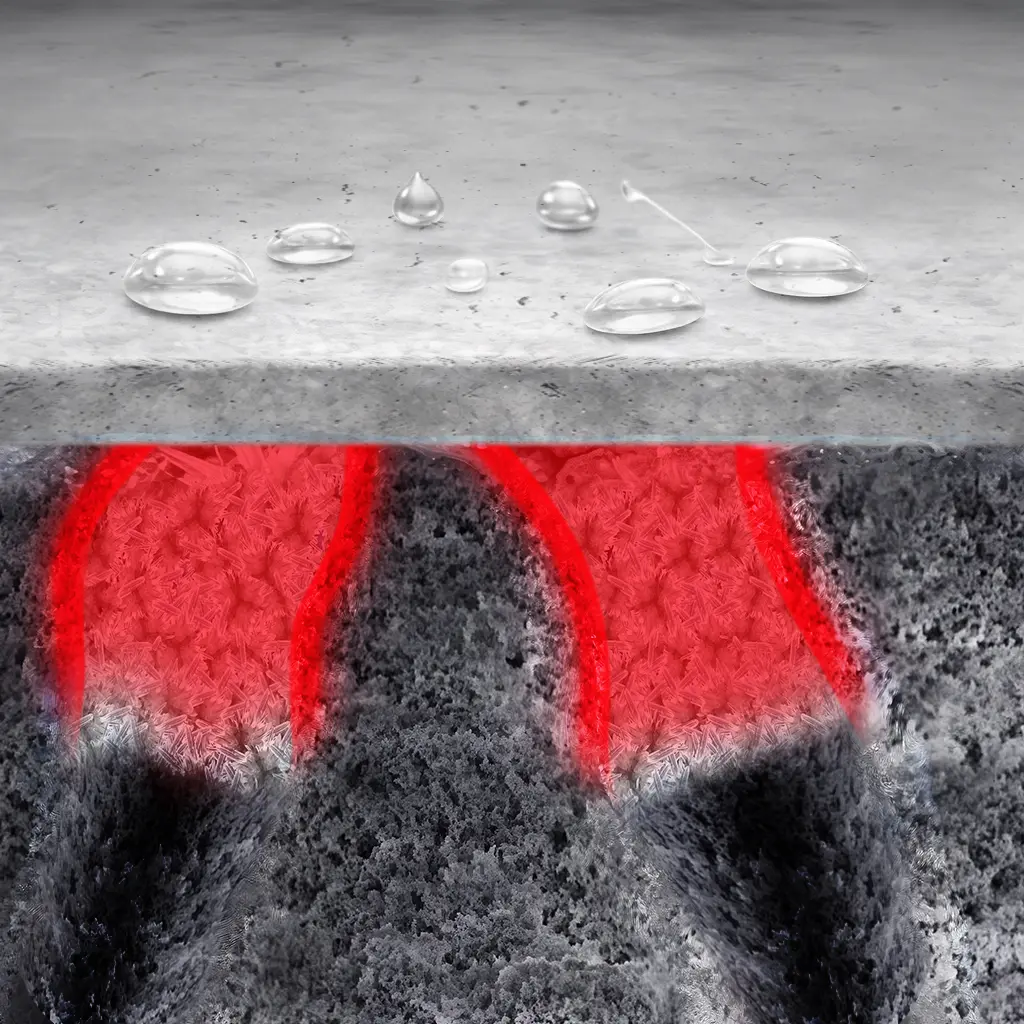
Integral water-repellent lining formed along concrete pore walls.
ThermoHydric Regulators
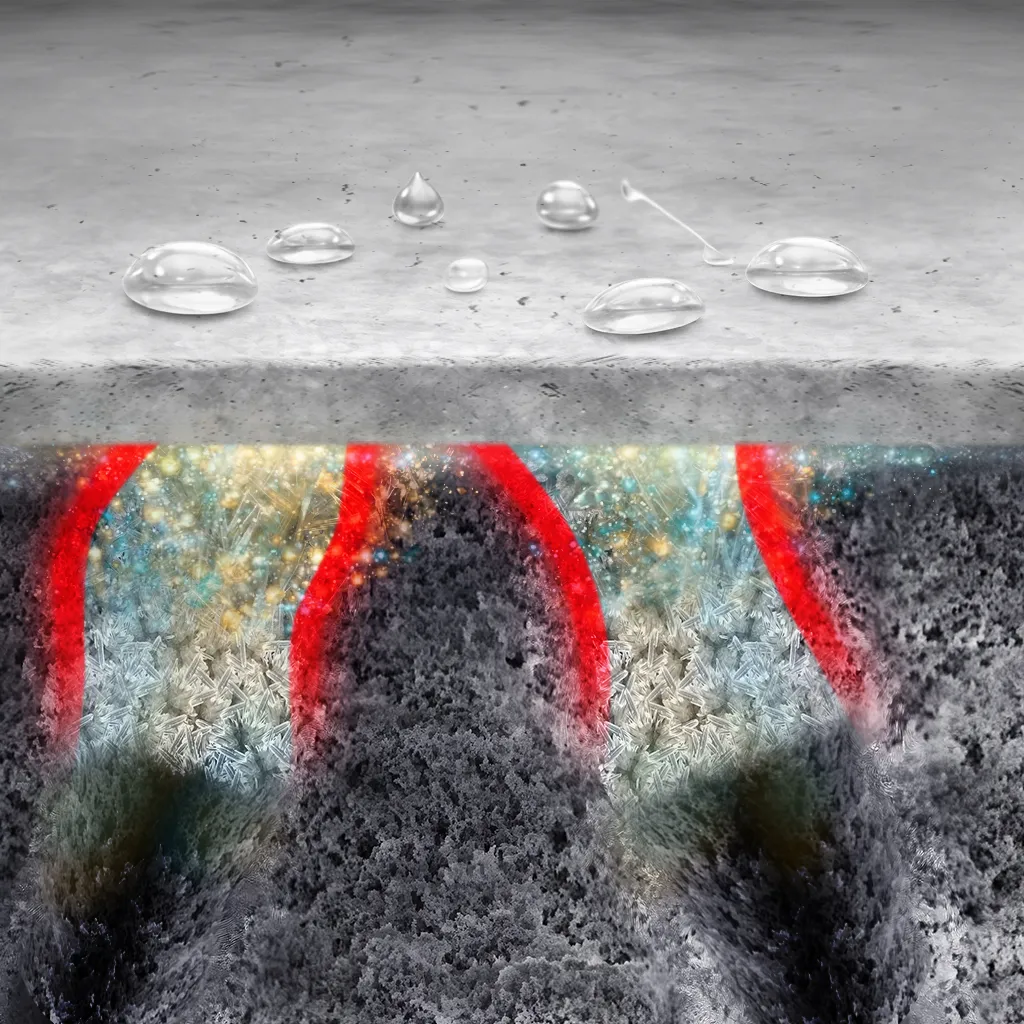
Hydrated SHIELD® Crystals operate alongside independent ThermoHydric® Regulators as parallel internal mechanisms.
& ThermoHydric Regulation
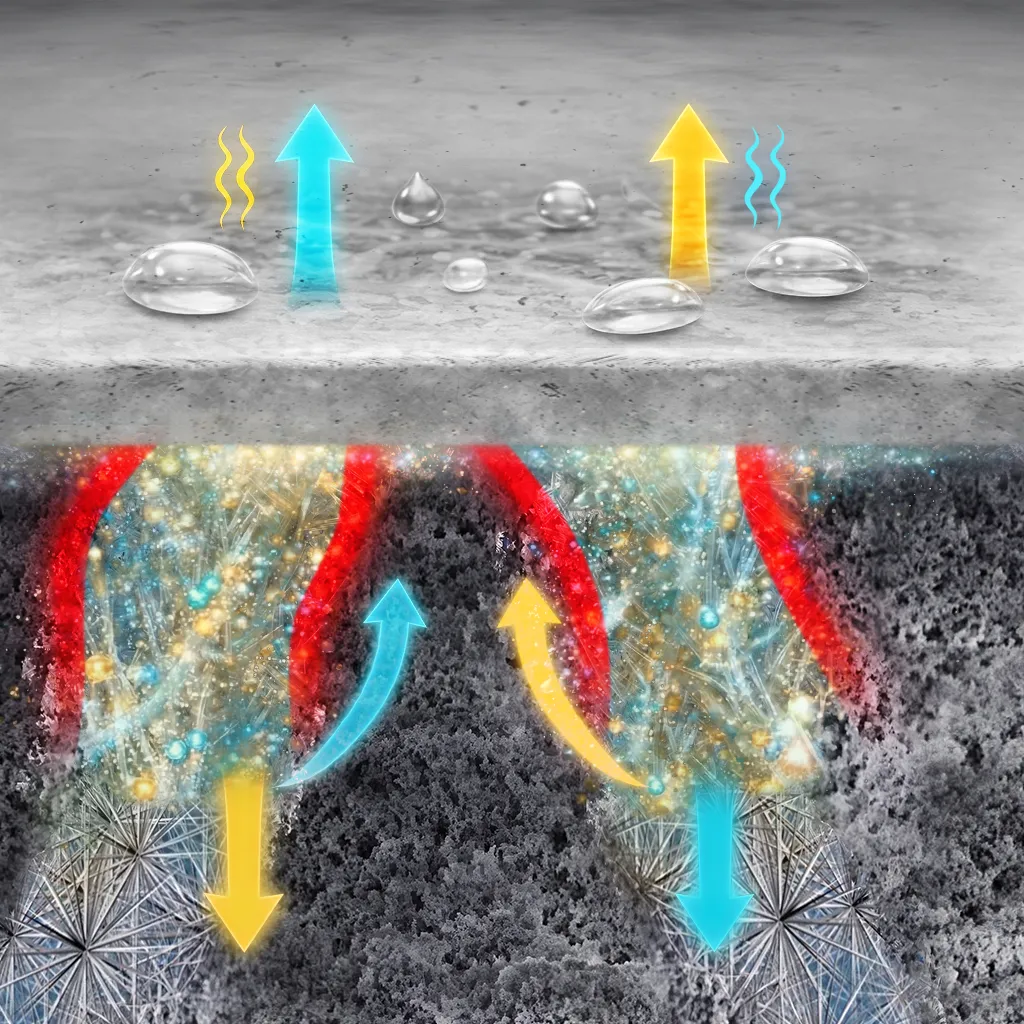
Continuous crystal growth with stabilization of internal environmental transitions.
Hydrophobic Molecular Layer
As Multiseal cures on the concrete surface, it reacts with atmospheric carbon dioxide to form an invisible hydrophobic layer both at the surface and along the internal walls of concrete pores within the penetrated depth. This hydrophobic barrier significantly reduces moisture absorption by increasing the surface tension of water and other liquids, including fuels and oils, thereby limiting their ability to penetrate the concrete.
Self-Healing Matrix Development &ThermoHydric® Regulation
Beneath the surface, Multiseal activates the formation of hydrated SHIELD Crystals within the penetrated depth of hardened concrete. These establish a stable and permanent internal barrier that limits water ingress and external contaminants, enhancing durability, self-healing capability and waterproofing performance.
Beyond their initial formation, crystalline activity continues within pores and capillaries through capillary diffusion and moisture-driven migration, progressively refining the internal structure, enabling self-healing of microcracks, and reducing permeability.
When exposed to environmental fluctuations, Multiseal enables proprietary ThermoHydric regulation within the concrete matrix. This moderates internal hygrothermal responses under varying climatic and exposure conditions, maintaining humidity balance while limiting thermally induced stresses. The result is sustained Hygrothermal stability that preserves structural equilibrium under cyclic wet–dry exposure, temperature variation, and aggressive service environments.Through this integrated crystalline and hydrophobic protection system, supported by ThermoHydric regulation and long-term hygrothermal stability, and progressive self-healing performance, Multiseal allows concrete structures to remain watertight, durable, and resilient throughout their service life.
Key Performance
- Concrete Matrix–Integrated Protection
- Integral Hydrophobic Protection & Capillary Absorption Control
- Thermal and Environmental Adaptation
- Icephobic Performance
- Self-Healing Mechanism
- Infrastructure-Scale Durability
Multiseal Functional Mechanism – Admixture
Integrated Durability Protection For New Concrete Structures
When incorporated into the concrete mix, Multiseal becomes an integral component of the concrete matrix, supporting performance from the moment of casting and enhancing durability throughout the structure’s service life. Through sustained crystalline activation, hydrophobic pore protection, and proprietary ThermoHydric regulation, Multiseal establishes an integrated durability mechanism within the matrix, contributing to long-term hygrothermal stability and structural resilience.
Integrated within the concrete matrix during batching, Multiseal admixture initiates crystalline activation and proprietary ThermoHydric regulation from the earliest stages of hydration under both hot and cold conditions. This internal regulation moderates heat evolution, controls peak temperatures, reduces thermal gradients, and stabilizes moisture availability within the matrix, supporting balanced hydration and progressive microstructural development. At the same time, crystalline activity develops within pores and capillaries, progressively refining the internal structure and reducing permeability pathways.
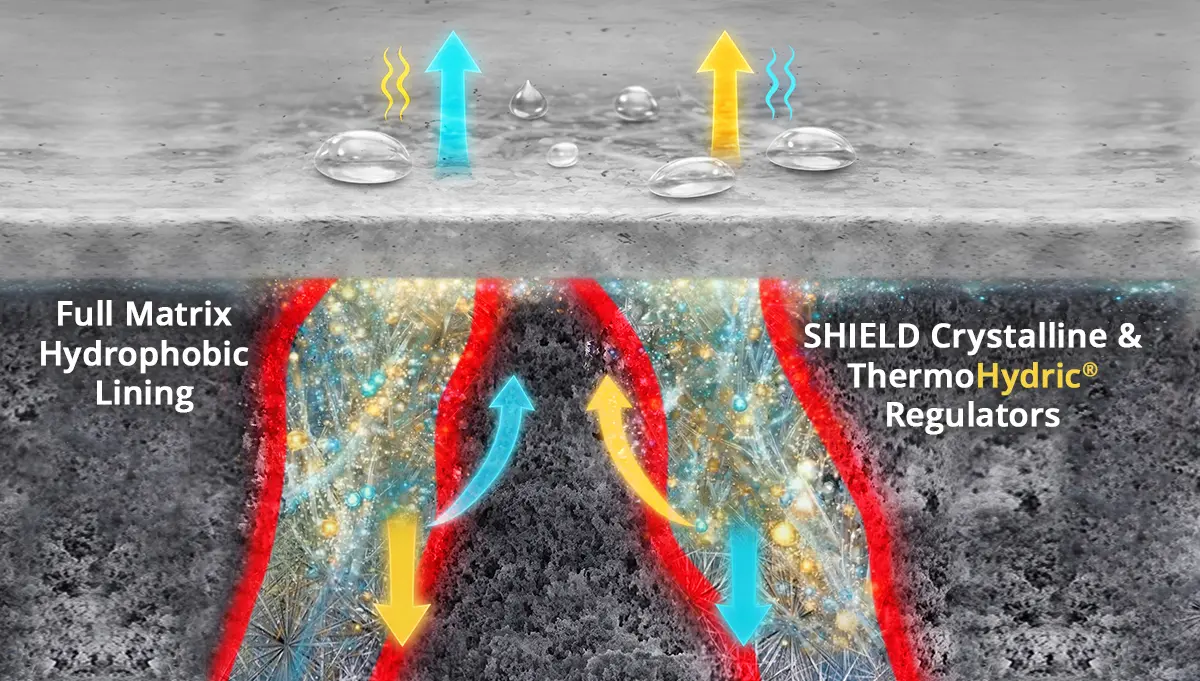
Integral Matrix Activation & Lifecycle Hygrothermal Stability
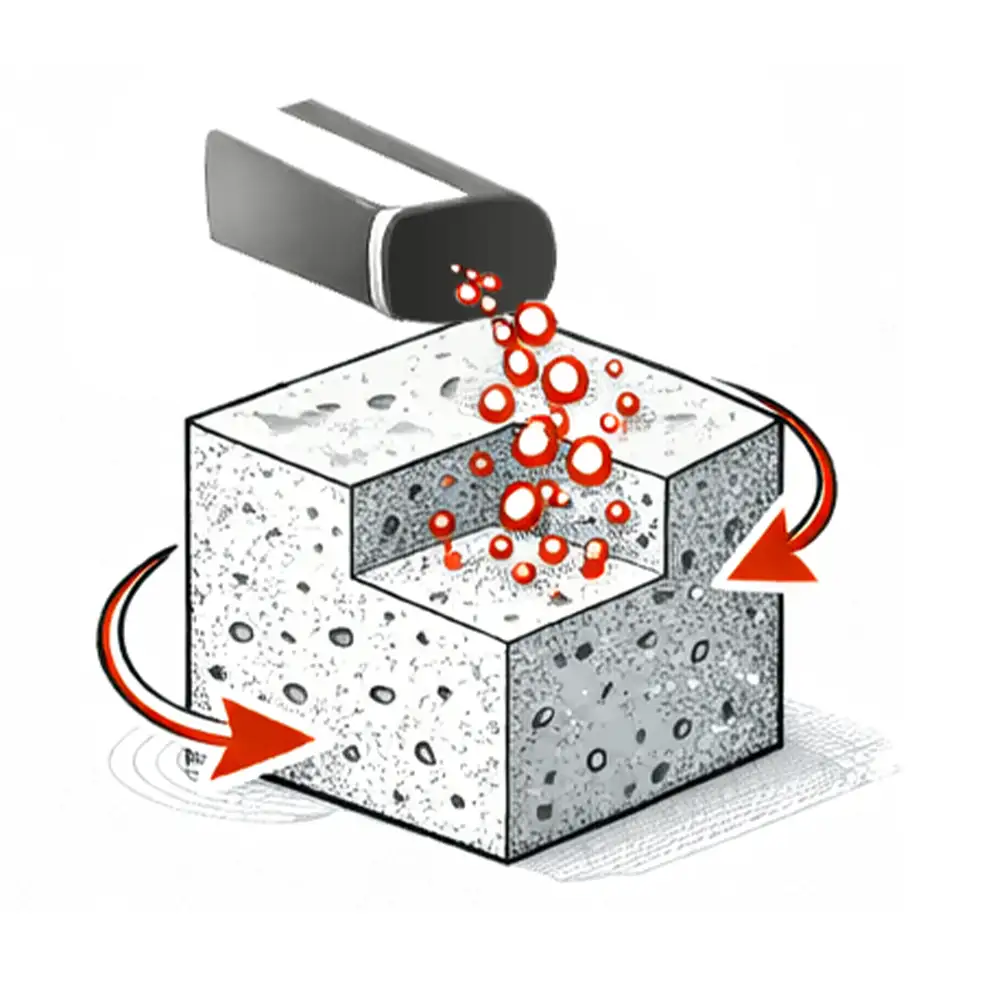
Integral Activation
Embedded during batching with Adaptive Crystalline Technology and ThermoHydric Regulators initiated.
Full-depth matrix activation from casting.
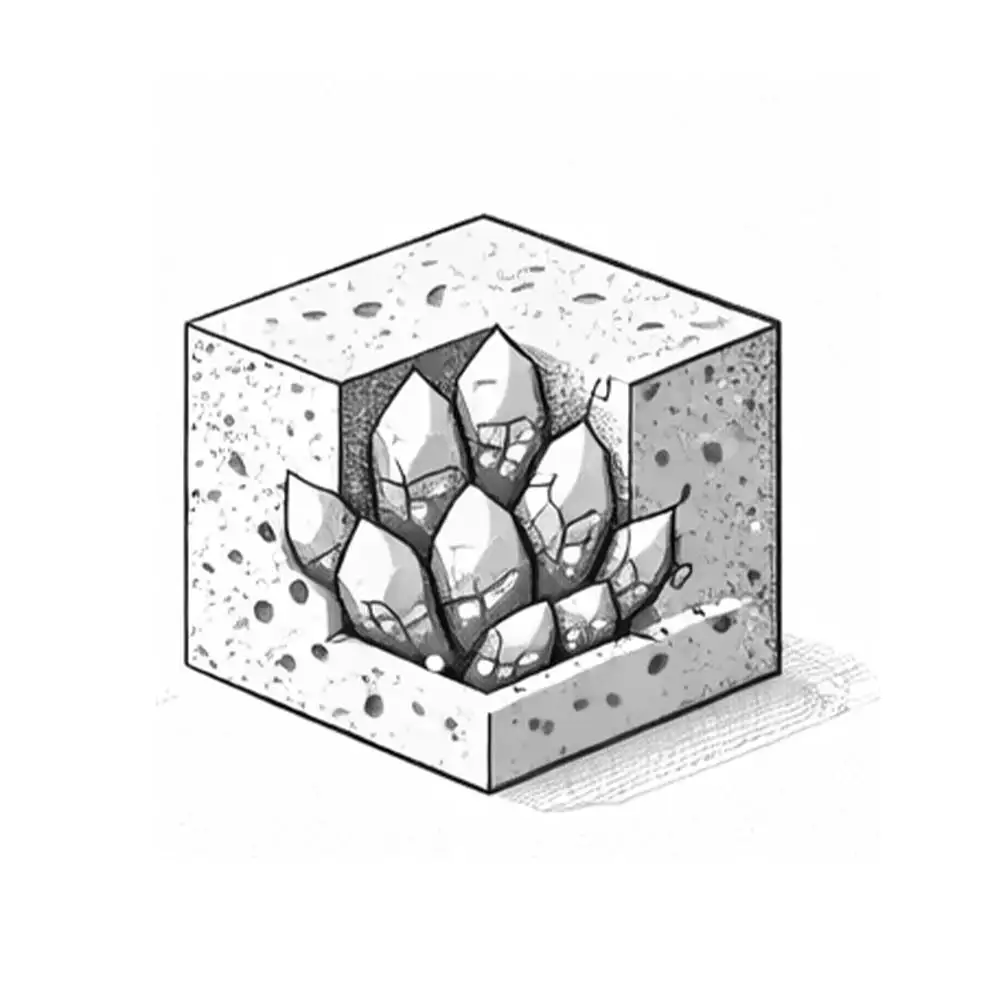
Crystalline Refinement
Progressive crystalline growth refines pores and capillaries.
Permeability pathways reduced.
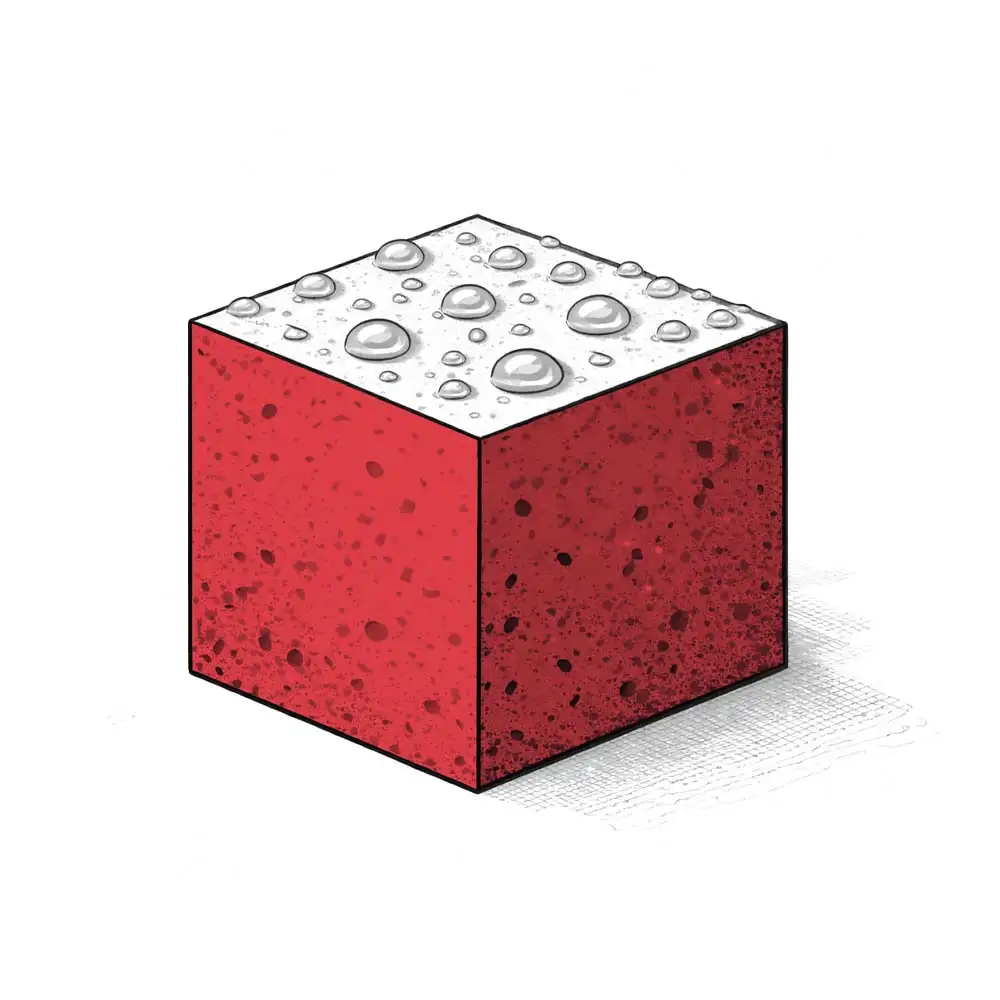
Hydrophobic Integration
Hydrophobic lining forms along internal pore walls.
Capillary absorption limited.
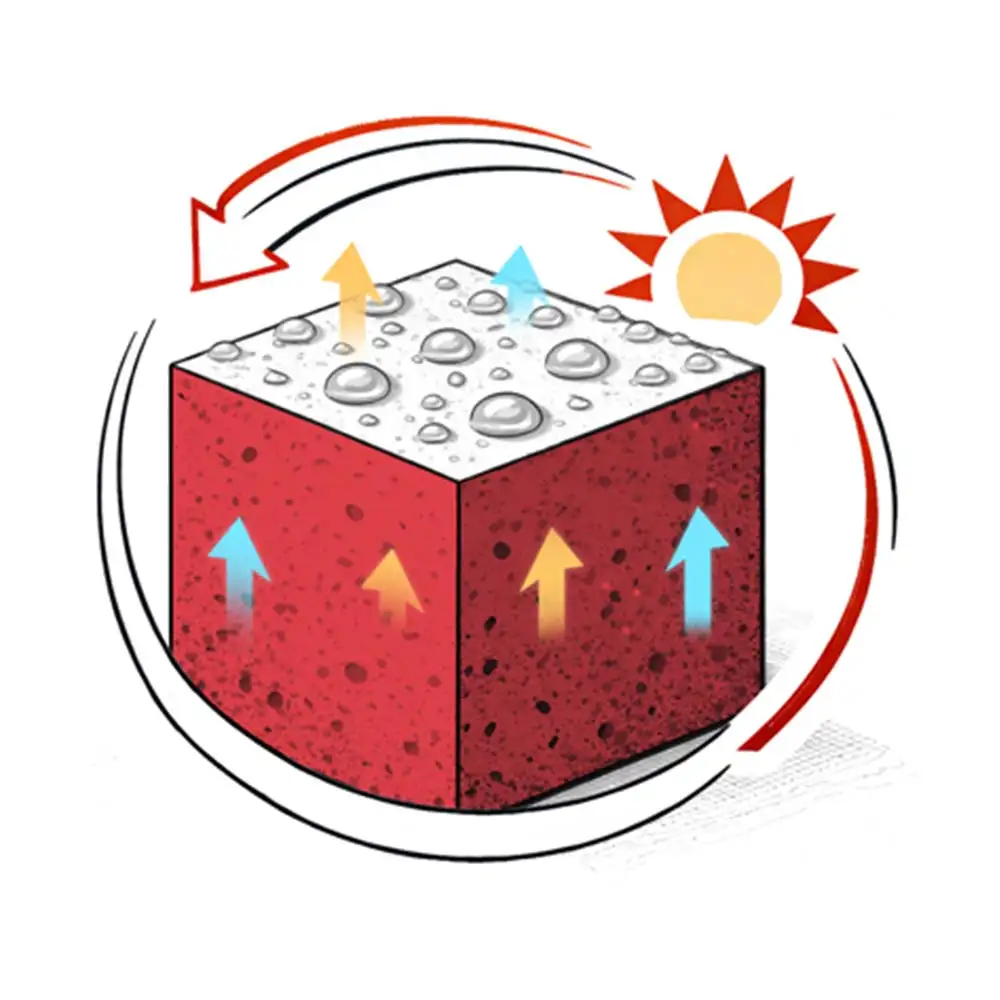
Lifecycle Matrix Stabilization
Crystalline action, ThermoHydric regulation, and hydrophobic control stabilize the matrix under environmental transitions.
Hygrothermal stability and crack self-healing across the lifecycle.
Engineered For
- Infrastructure concrete
- Wet–dry cycles
- Coastal exposure
- Chloride-prone environments
- Aggressive and changing climates
Multiseal also establishes hydrophobic protection along internal pore walls, reducing capillary suction and limiting liquid water ingress while maintaining vapour permeability. Through the combined action of ThermoHydric regulation, crystalline refinement, and hydrophobic pore protection, internal hygrothermal conditions remain stabilized under cyclic environmental exposure.
Through this integrated crystalline and hydrophobic protection system, supported by proprietary ThermoHydric regulation, Multiseal promotes long-term hygrothermal stability and progressive self-healing within the concrete matrix.
This combined mechanism helps concrete structures remain watertight while enhancing resistance to freeze–thaw stress, chemical attack, and moisture-driven deterioration, supporting durable and resilient performance throughout their service life.
Key Performance
- Concrete Matrix–Integrated Protection
- Integral Hydrophobic Protection & Capillary Absorption Control
- ThermoHydric Regulation for Hydration Stability
- Hygrothermal Adaptation to Environmental Stressors
- Icephobic Performance in Freeze–Thaw Conditions
- Self-Healing Mechanism
- Infrastructure-Scale Durability
Multiseal Crystalline Technology® and ThermoHydric® regulation are proprietary technologies and terminology developed by Supershield, with the underlying innovations protected as intellectual property.
To learn more about the principle mechanism of Multiseal Crystalline Technology
Contact us today!