

Adaptive Crystalline Technology
Adaptive Self-Healing Crystalline Technology
for Resilient Concrete
Adaptive Crystalline Technology represents a next-generation advancement in engineered concrete durability. Unlike conventional crystalline systems that react only after microcracks or water pathways develop, this proactive technology supports concrete performance from the moment of casting and continues enhancing durability throughout the structure’s service life, maintaining structural integrity, waterproofing effectiveness, and long-term resilience under evolving environmental conditions.
Active from the moment of casting, the system initiates Concurrent Matrix Dynamics, a combined internal matrix behaviour where two simultaneous yet independent phenomena occur: progressive SHIELD crystalline formation within pores and capillaries; and proprietary ThermoHydric matrix regulation. Together, these internal processes promote balanced hydration, stabilize internal hygrothermal conditions, and progressively refine the pore structure. This integrated mechanism strengthens resistance to permeability, environmental exposure, and internal stress development while enabling long-term self-healing capability.
Independent ThermoHydric Regulators
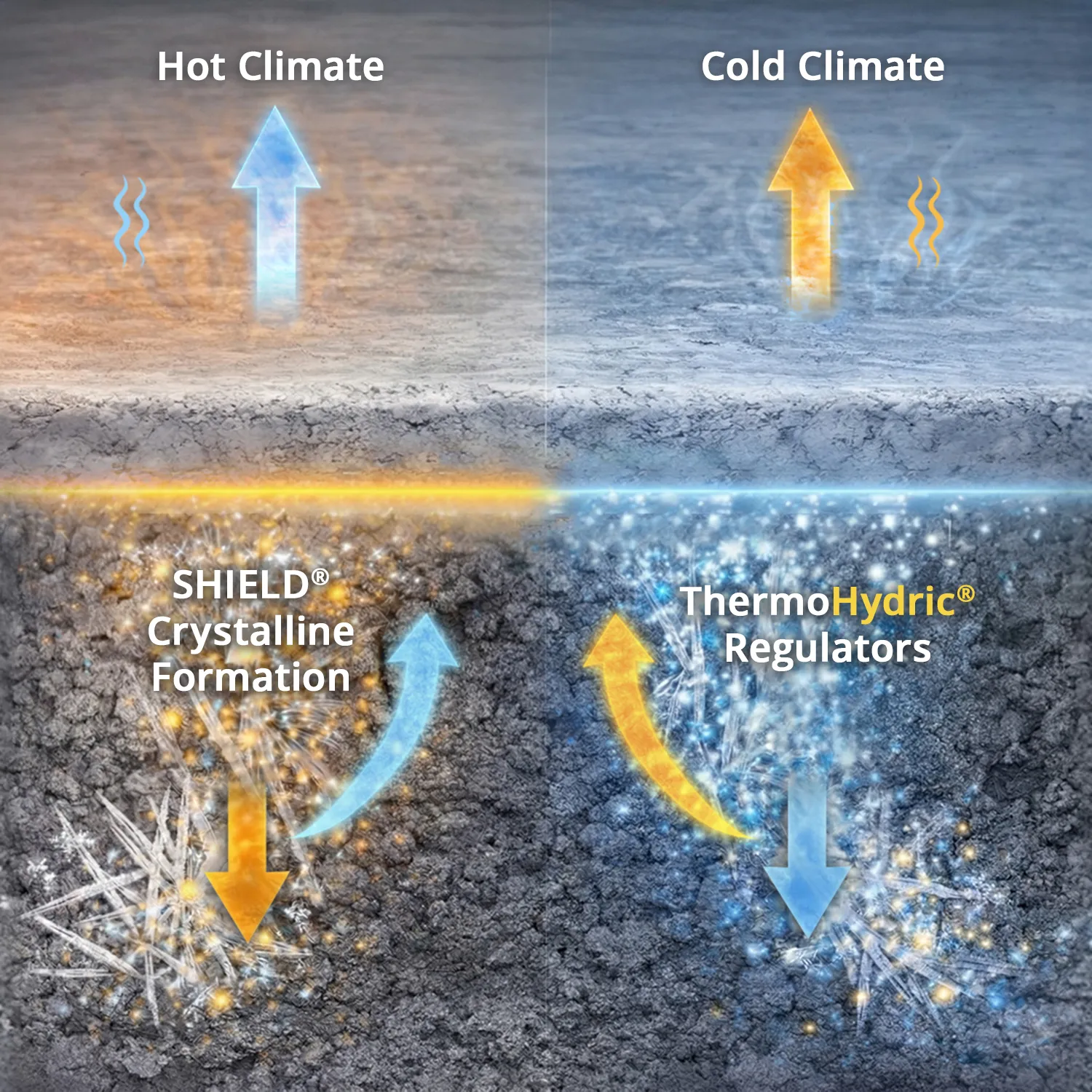
ThermoHydric regulators are proprietary molecular functional components within the system that operate independently alongside crystalline development as a distinct internal mechanism. While SHIELD crystals progressively form within pores and capillaries to refine the concrete microstructure, ThermoHydric regulators function in parallel to stabilize internal hygrothermal transitions within the matrix. These regulators actively stabilize hydration evolution, particularly under demanding conditions such as hot and cold climates and during mass concrete pours, while moderating internal hygrothermal transitions within the concrete matrix. This regulation enables the concrete to maintain internal stability and respond more effectively to changing environmental conditions throughout its service life.
Engineered Durability Protection
with Global Validation
Adaptive Crystalline Technology enhances waterproofing performance, self-healing response and extends the service life of concrete structures while reducing maintenance requirements and material consumption. Concrete protected with this technology demonstrates increased resistance to freeze–thaw cycling, chemical exposure, chloride ingress, sulfate attack, carbonation, alkali–silica reaction (ASR), and reinforcement corrosion.
Adaptive Crystalline Technology products have demonstrated durability performance under severe exposure classifications including XC4 (carbonation), XF4 (freeze–thaw with de-icing salts), and XD3 (chloride exposure) within recognized international durability frameworks. Products powered by Adaptive Crystalline Technology have undergone independent validation worldwide under internationally recognized standards through certified laboratories, project-based testing, and academic research institutions.

Microstructural Evidence
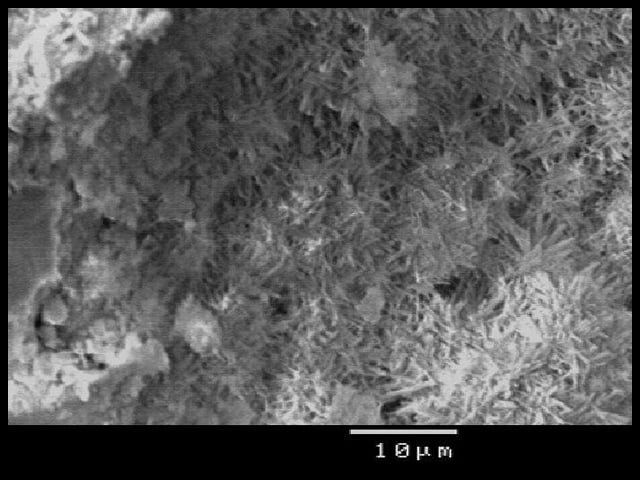
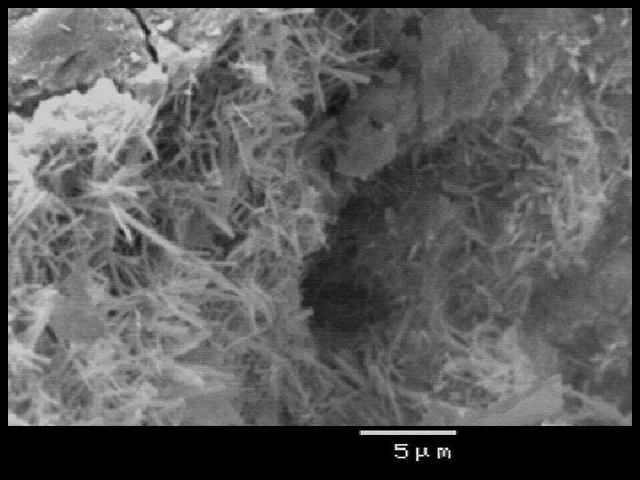
SEM analysis confirms refined crystalline development within pores and microcracks in concrete with Adaptive Crystalline admixtures. The observed microstructural densification contributes to reduced permeability, enhanced durability, and verified self-healing of cracks under moisture exposure.
Independent Validation on Self-Healing Performance
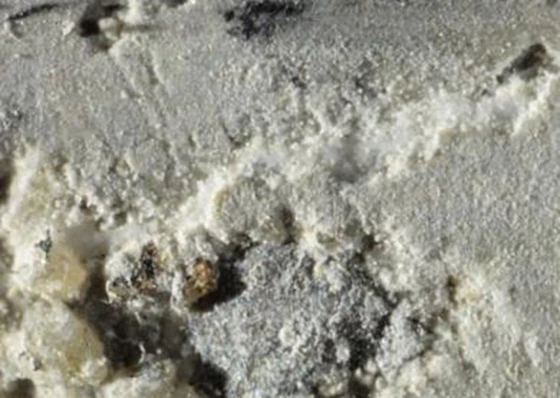
A detailed experimental investigation conducted by the Politecnico di Torino confirmed that concrete incorporating Admixplus exhibits significantly higher recovery and self-healing indices compared to untreated reference concrete. Healing was verified in multiple directions (x and z), demonstrating consistent crack closure within the concrete matrix. The study further showed enhanced healing efficiency under continuous water exposure, while maintaining effective performance under intermittent wetting conditions, including simulated rainfall.
These results confirm that Admixplus delivers measurable and sustained crack self-healing across diverse curing and exposure scenarios, reinforcing its role as a high-performance crystalline admixture for long-term durability enhancement in reinforced concrete structures.
Functional Mechanism
Sustained Crystalline Activation & ThermoHydric Regulation from Casting to Service Life
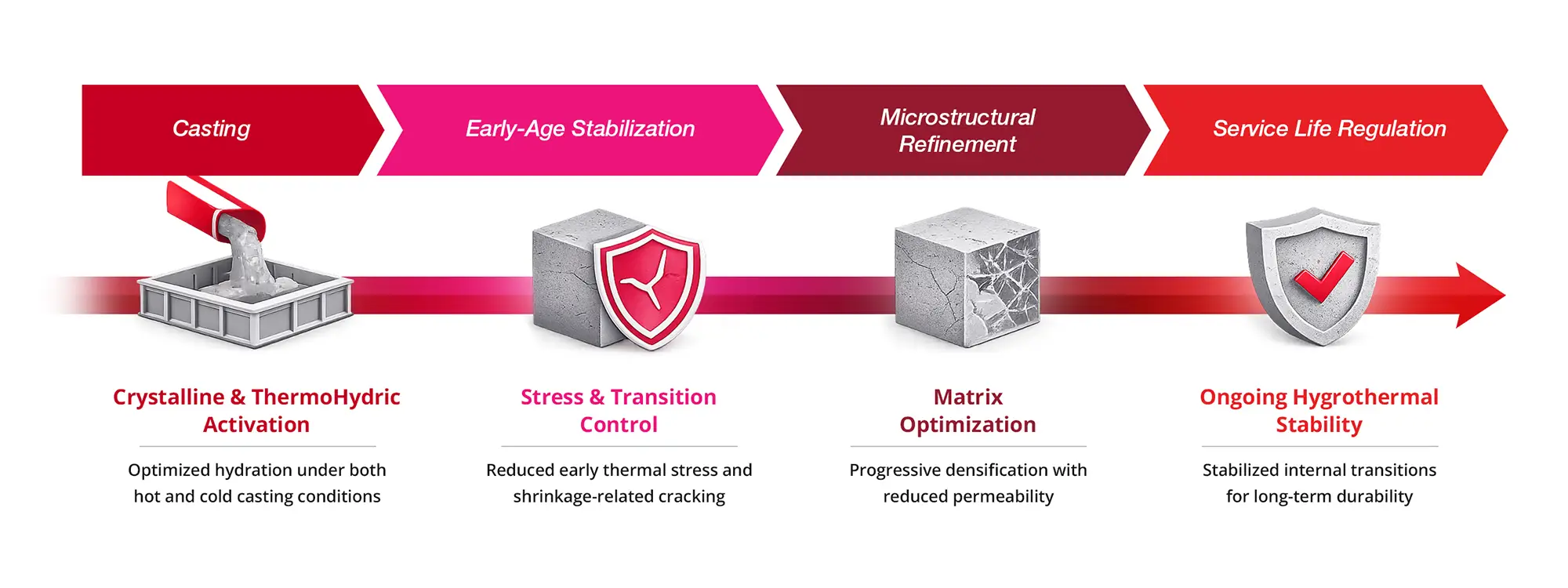
Casting Stage – Initiation of Internal Regulation
When incorporated into the concrete mix, Adaptive Crystalline Technology activates both crystalline processes and ThermoHydric regulation from the earliest stages of hydration. During casting, this concurrent activation moderates heat evolution, controls peak temperatures, and reduces thermal gradients while stabilizing moisture availability within the matrix, supporting balanced hydration and progressive microstructural development.
Early-Age Stabilization – Stress and Transition Control
As hydration progresses, ThermoHydric regulators continues to manage internal hygrothermal transitions under both hot and cold conditions. Controlled moisture distribution reduces premature water loss and limits freezing-related disruption. This minimizes early-age thermal stress and shrinkage-related cracking while promoting formation of a dense, stable microstructure that forms the foundation for long-term durability.
Microstructural Refinement
As the concrete matures beyond early-age development, crystalline activity continues within pores and capillaries, progressively refining the internal structure and reducing permeability. This ongoing structural evolution enhances matrix integrity and strengthens resistance to moisture movement and aggressive environmental agents.
Service-Life Hygrothermal Stability with Integrated Self-Healing
ThermoHydric regulators remains active throughout the service life, adapting under varying environmental and exposure conditions. Under cyclic hygrothermal influences, internal transitions are moderated to maintain humidity balance and limit thermally induced stresses. As a result, moisture accumulation is reduced, microcracks are progressively sealed, and deterioration mechanisms are slowed, preserving long-term structural resilience.
Casting Performance Under Extreme Climates
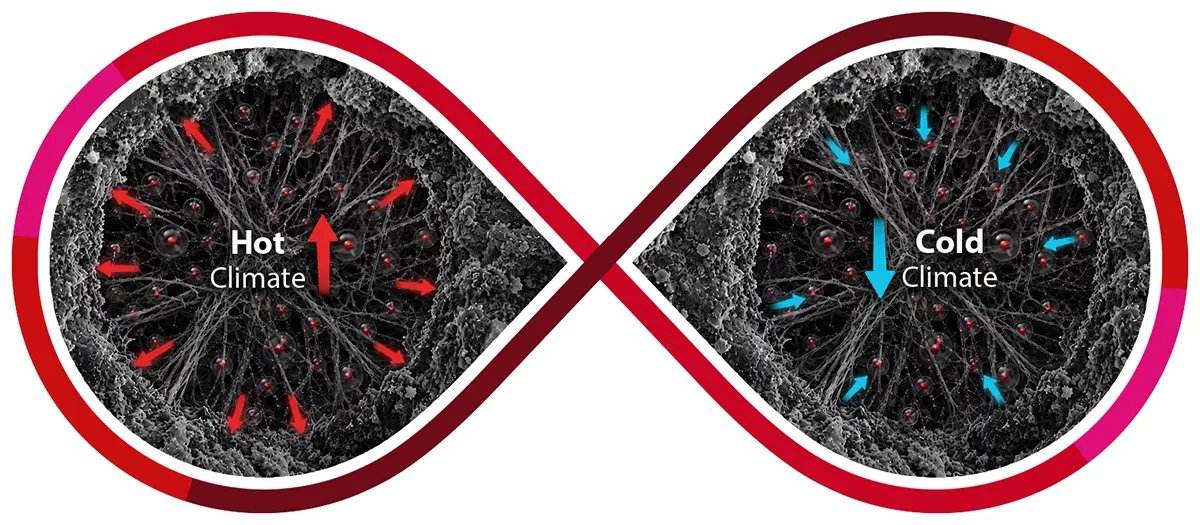
Adaptive Crystalline Technology enhances fresh and early-age concrete performance through proprietary ThermoHydric regulation, stabilizing moisture–temperature interactions within the concrete matrix during hydration and early service conditions. During placement, it maintains concrete workability and consistency, supporting efficient placement and finishing even under demanding site environments. In hot climates, the system helps limit rapid evaporation and moderates hydration heat evolution, reducing thermal stress that can lead to early cracking. In cold climates, it supports continued cement hydration by maintaining favorable internal conditions and limiting heat loss to the surrounding environment, allowing strength development to proceed even at lower temperatures. By stabilizing hygrothermal transitions within the concrete matrix, the technology promotes uniform internal temperature distribution and reduces the risk of cracking caused by differential thermal movement, ensuring reliable casting performance across both high-temperature and low-temperature environments.
Key Performance Capabilities
- Enhanced Workability
- Optimized Hydration
- Self-Healing Mechanism
- Adaptation to Environmental Stressors through Hygrothermal Stability
- Resilience Against Diverse Environmental Challenges through ThermoHydric® Regulation
Adaptive Crystalline Technology® and ThermoHydric® regulation are proprietary technologies and terminology developed by Supershield, with the underlying innovations protected as intellectual property.
To learn more about the principle mechanism of Adaptive Crystalline Technology
Contact us today!